



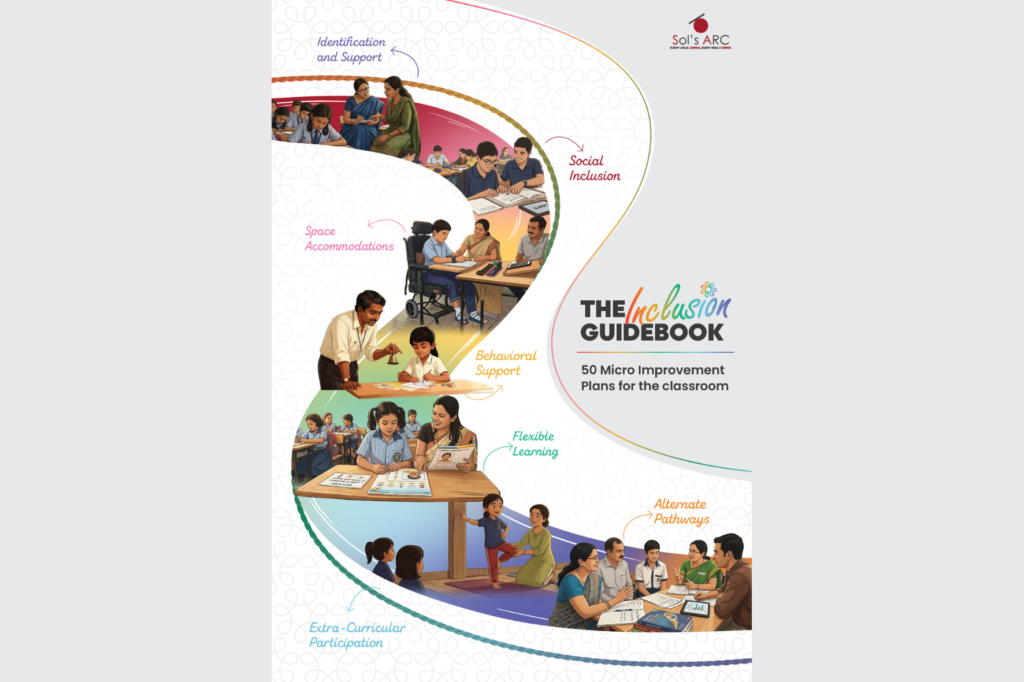
The Inclusion Guidebook: 50 Micro Improvement Plans for the Classroom is a practical and action-oriented resource designed to help schools create more inclusive learning environments through small, meaningful, and achievable changes. Rooted in real classroom experiences and school practices from across India, the guidebook brings together 50 Micro Improvement Practices (MIPs) that support children with diverse learning and developmental needs.
Developed by drawing insights from 13 schools across India, the guidebook demonstrates how inclusion can move beyond policy into everyday practice. Rather than focusing on large-scale reforms alone, it highlights simple yet impactful approaches that educators and schools can adopt within existing systems and resources.
The guidebook is organised around seven key themes:
- Identification and Support
- Social Inclusion
- Space Accommodations
- Behavioral Support
- Flexible Learning
- Extra-Curricular Participation
- Alternate Pathways
Each Micro Improvement Practice includes:
- The purpose and intent of the practice
- A real-life contextual story from a school setting
- Step-by-step guidance for implementation
- Key considerations and reflections for educators and school leaders
Aligned with national frameworks such as the National Education Policy (NEP) 2020 and the Rights of Persons with Disabilities (RPwD) Act, 2016, the guidebook aims to support educators, school leaders, and institutions in building classrooms where every child can learn, participate, and experience a sense of belonging.
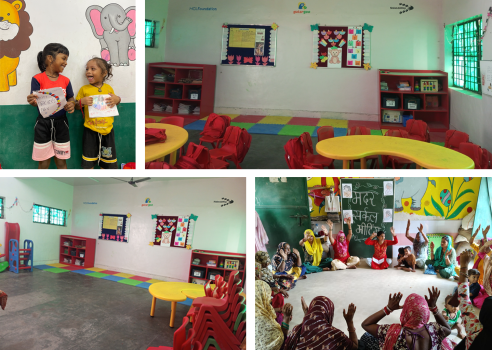
Contributing Schools / Practice Partners
Drawing from practices across 13 schools in India.
Knowledge Partners
- Shiksha Graha
- Mantra for Change
Supported By
- HT Parekh Foundation





 )
)