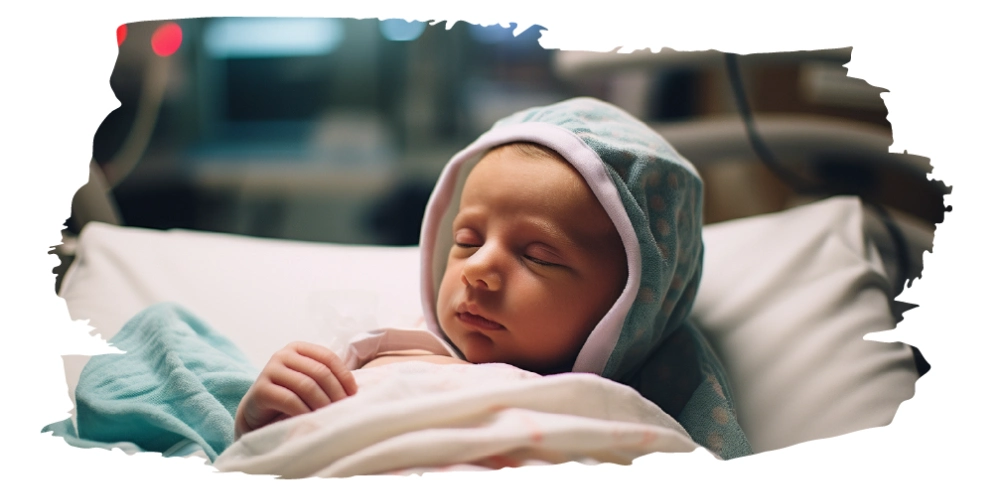
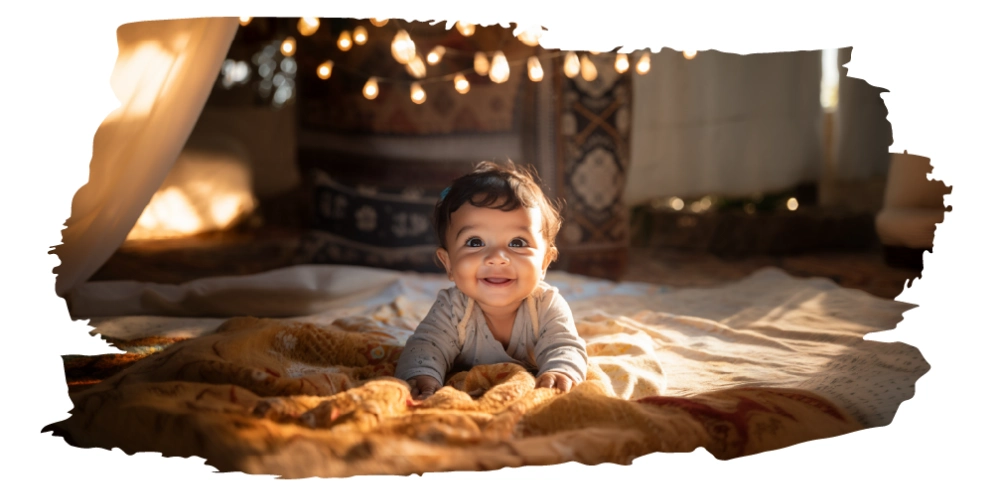
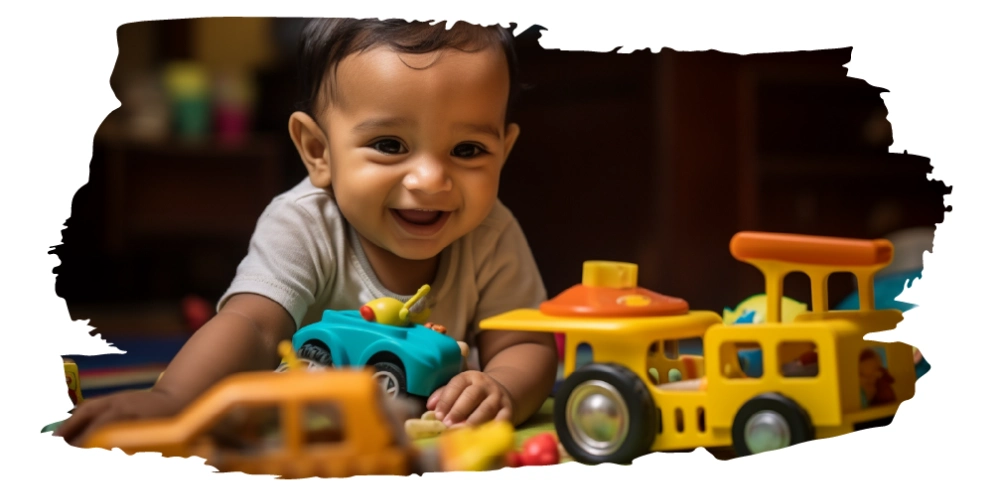


In India, one child is born almost every second….


and then?
Think of your earliest childhood memories…
You smiled, didn’t you?
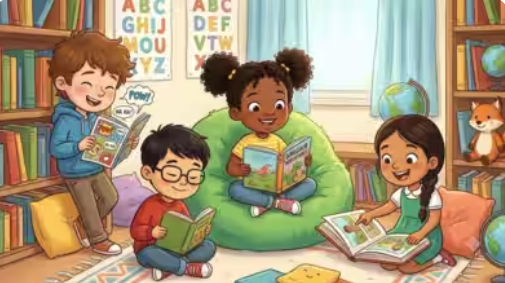

Childhood is filled with joy, wonder, excitement, and an unlimited appetite for life.
Children learn best from childhood itself. So, let’s join them in this celebration of growth and learning. It’s the ideal way to build a strong foundation for their future.
Visit the website for parents and other carers (in collaboration with
)

Missed Opportunity
Today, there is a lot of vulnerability and anxiety around early childhood, which can limit a child’s growth and learning journey to a severe extent.
Our education policies and frameworks have valuable recommendations to address this issue, but these need to be applied on-ground to make a real difference. Here are some opportunity areas that we can build on to make ‘Bachpan Manao’ a social mission.
The first eight years are a window of opportunity
Holistic development can be a lifelong advantage
An abundance of learning opportunities
Play is the way
Playground
A collection of resources, tools, articles and stories to help you celebrate childhood in real and diverse ways. Click on the categories below to explore further.
Sawani Kumar
On a former garbage dump, a Mobile Creches centre in Barrackpore is teaching children discipline, routine, and independence — one row of slippers at a time.
A free, open-source handbook from Librarians of India, packed with playful early-years storytime activities: literacy games, movement and drama, social-emotional tools, and DIY bookmaking, all designed to spark curiosity, creativity, and conversation in young learners.
Voices of Teaching gathered educators from five Indian states to share classroom innovations born from experience, not training manuals. Ayesha Ma'am, a single-teacher educator, uses circle time to help distressed children express feelings. Pramod Sir broke down caste-based seating divisions by eating lunch with students. Lavina Ma'am rebuilt parent meetings around children's strengths, boosting attendance. The article argues teachers generate knowledge best by hearing each other's solutions to shared problems — the same principle behind the Dhwani toolkit. Amid gaps in school infrastructure, such spaces matter because isolated teachers finally feel heard.
Varun Naik
Anganwadis can foster mothers’ friendships, social support, belonging, and stronger communities around childhood.
The first thing I noticed at Latika was that the parents had not left. In most schools the adults thin out by nine, and what I found instead was a village that somebody had sat down and deliberately built.
Collabaction
Partners can champion this social mission by raising awareness and bringing about behaviour change through projects
and programs. We call this Collabaction – collaborating for action and impact.