




The Educators’ Commune Podcast hosted by Sana Aejaz, is a space where educators and professionals in the education sector come together to share, connect, and reflect on ideas and practices.
In the second episode of the Bachpan Manao Series (Episode 16), Samyukta Subramanian (National Co-Lead for Early Years at Pratham Education Foundation), Tinni Sawhney (Chief Executive at Aga Khan Foundation, India) and Amita Kaushik (Co-Founder and Director at EduWeave Foundation) discuss “Joyful Childhoods: Conversations on Play as the Foundation of Learning.”
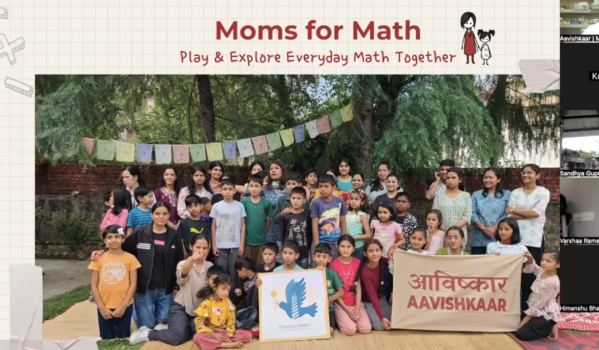
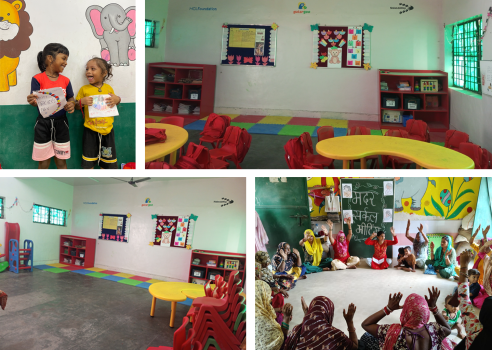
The discussion focuses on initiatives and programs from each organization that cultivate an abundance mindset among key stakeholders in a child’s life. Samyukta, Tinni, and Amita share stories of engaging children, parents, anganwadi workers, and the community at large to showcase the impact of these initiatives and more.








 )
)