

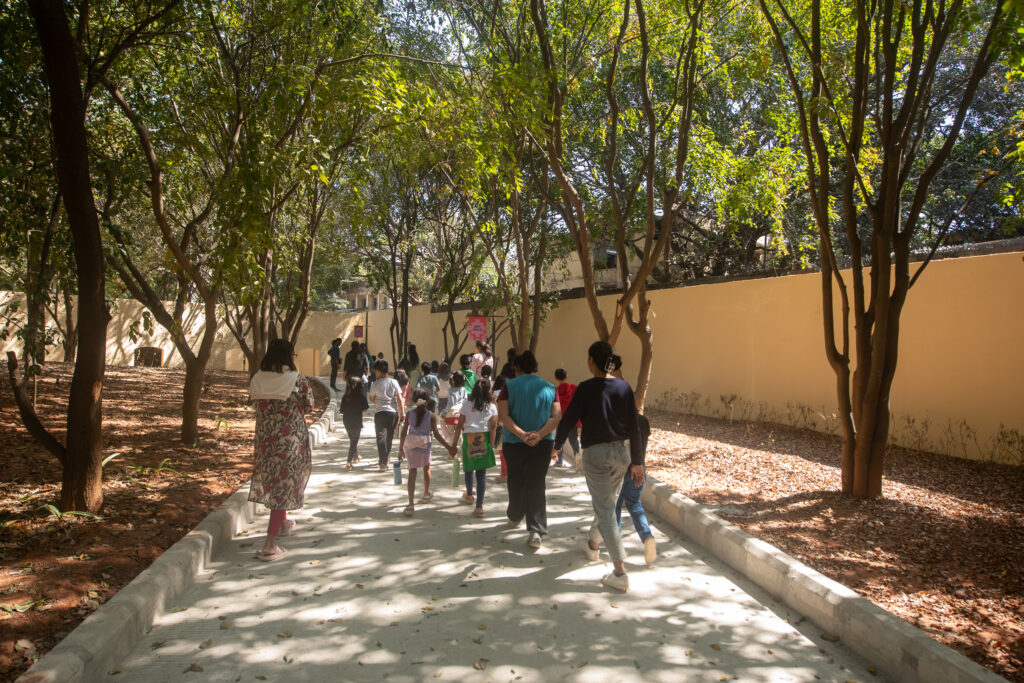
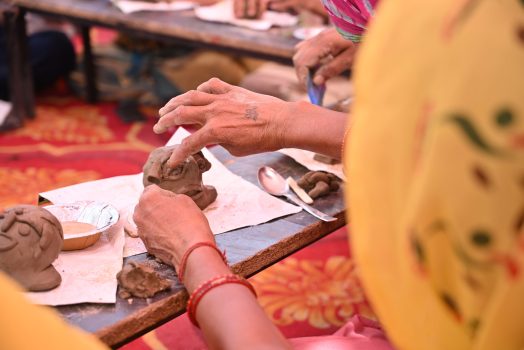
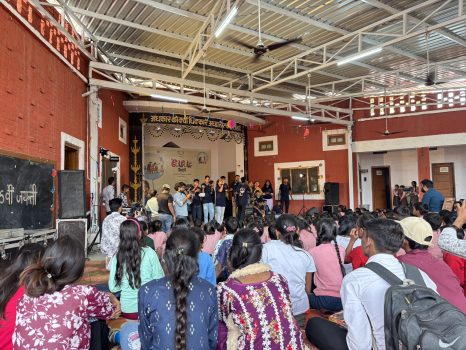
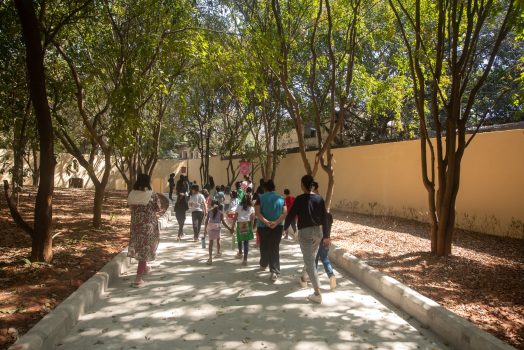
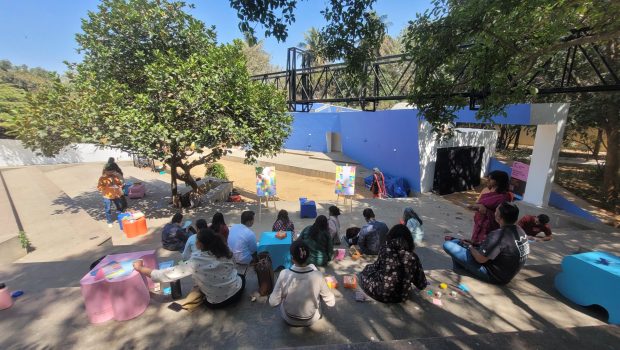
On 23 January, at Makkala Hubba in Freedom Park, Bachpan Manao invited a small group of educators, designers, CSR leaders, civil society practitioners and parents to step into Bangalore’s children’s festival and then sit down together for a conversation. Makkala Hubba itself was full of colour and movement, children listening to lullabies, building cities out of cardboard, chasing butterflies, moving between installations that were stimulating without being overwhelming. We walked through all of that before we sat in the amphitheatre.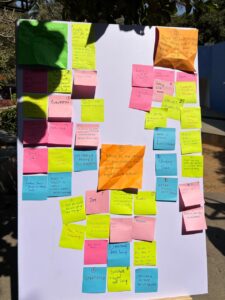
The Baithak centred a broad question: what does it really mean to invest in childhood? Not just financially, but through policy, time, infrastructure, adult behaviour, and the everyday decisions that shape children’s lives. To begin that inquiry, we started somewhere deceptively simple. We asked: what is one thing from your childhood that shaped you, but never made it to your CV?
The answers came quickly. And they did not sound like achievements.
“Unrestricted access to the internet.”
“Climbing trees.”
“Pani puri eating competitions.”
“Playing a musical instrument.”
“Cooking with my mom.”
“Reading and good libraries.”
“Standing up for a friend.”
“One day where you failed and realised that’s what you ended up doing for the rest of your life.”
“Not getting anything instantly.”
What was striking was not just the content of the responses, but what was absent. No one wrote about exam scores. No one wrote about early accolades or structured enrichment. The shaping experiences people remembered were messy, relational, sometimes trivial on the surface. Climbing trees is not a measurable outcome. Neither is competing to see who can eat the most pani puri. And yet those moments stayed.
Several notes s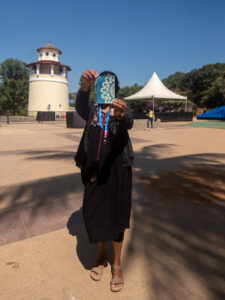 poke to freedom, after-school play and sport, moving cities, travelling, singing and drama, wandering in “good libraries.” Even the phrase “unrestricted access to the internet” was less about technology and more about wandering without supervision. There was a sense that the ability to explore without being constantly steered had mattered deeply.
Failure came up too. That “one day” where something didn’t work out, and instead of being shielded from it, you lived through it. We rarely treat failure as formative capital. On a CV, it disappears. But in memory, it can loom large.
Another note read: “to speak without bias and judgment.” That is not a line item under skills or certifications. It is a way of being in the world. Similarly, “values and humility” appeared without elaboration, as if everyone in the room understood how those get built through ordinary interactions.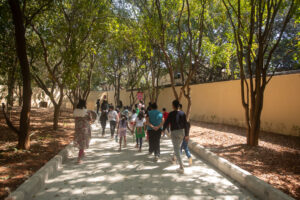
As we looked at the post-its filling up, it became difficult to ignore a clear tension. If these were the things that shaped us, the unstructured hours, the boredom, the minor risks, the moral tests, the waiting, what are we investing in for children today? Are we investing in experiences that will make sense on a future CV, or in conditions that allow children to climb trees, fail safely, wander through libraries, argue with friends and stand up for them?
The Baithak was not an exercise in nostalgia. No one suggested that childhood in the past was ideal. But the contrast between what shaped us and what we tend to measure now felt sharp. A CV records what can be displayed and validated externally. Childhood, in contrast, records what settles into your instincts, how you respond to difficulty, how you relate to others, how curious you are when no one is watching.
If we are serious about investing in childhood, then perhaps the first step is remembering honestly what shaped us. The real stories. The boredom during summer holidays afternoons. The small competitions that felt enormous at the time. The libraries. The kitchens. The first failures.
Most of it never made it to the CV. And yet, most of it made us.
 )
)