

We all carry pieces of our childhood tucked safely in our memories. Close your eyes for a moment and they rise gently to the surface. Narrow lanes where we chased each other until dusk. Cousins and neighbours whose laughter filled our days. Dusty playgrounds where time moved slowly and joy felt abundant.
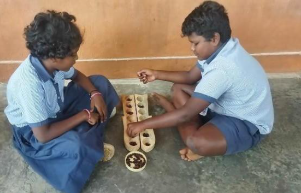
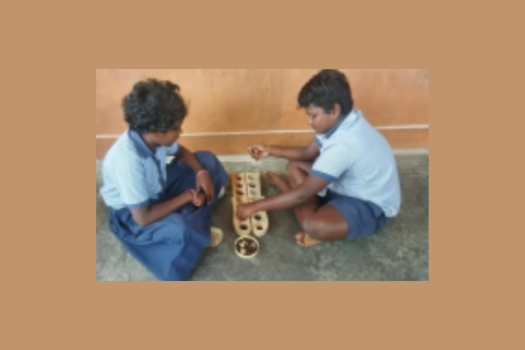
We do not remember the expensive toys. What remains alive are the traditional games that cost nothing but gave us everything. Pallanguli under a neem tree. Hide and seek around the house. Tyre rolling along village paths. Hopping across chalk drawn squares. These were not just games. They were the language of imagination, friendship, and freedom.
Today, childhood looks very different.
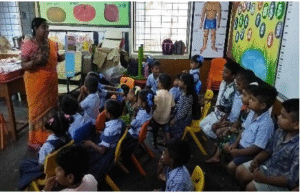
Urbanisation has reduced safe open spaces. Technology slips easily into a child’s hand. Parents enrol children in multiple structured activities. Childhood slowly turns into a schedule. Even in government schools, increasing academic pressure has quietly pushed play aside.
Yet play is never just play. It builds cooperation, coordination, sharing, patience, problem solving, creativity, and confidence. Skills that worksheets alone cannot teach.
When Teachers Play, Classrooms Transform
For over a decade, the team has worked closely with government primary and pre primary schools. A recurring observation was that many classrooms had learning materials locked away in cupboards. Materials were protected from children instead of being accessible to them.
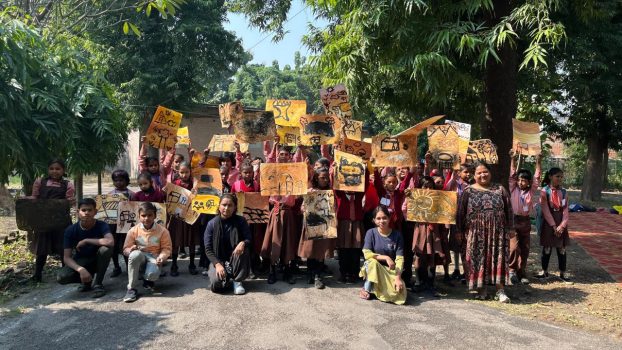
To shift this mindset, a voluntary play based workshop was organised. There were no presentations and no theory sessions. Only play.
Target participation was 40 teachers.
Actual participation was 120 teachers.
The response was overwhelming. Teachers reconnected with the joy of play and began rethinking their classroom practices.

 )
)