

2025: A Year of Play
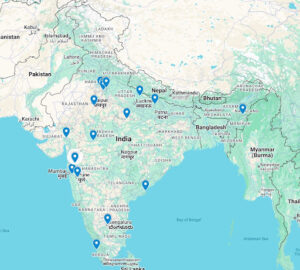
This year, PLAY took center stage across India. From kite festivals in Gujarat to Anganwadis in Maharashtra and Rajasthan, from hospital courtyards in Kohima to bus stops in Indore, from cafes in Bangalore to nature walks in Pune, we saw what childhood looks like everywhere.
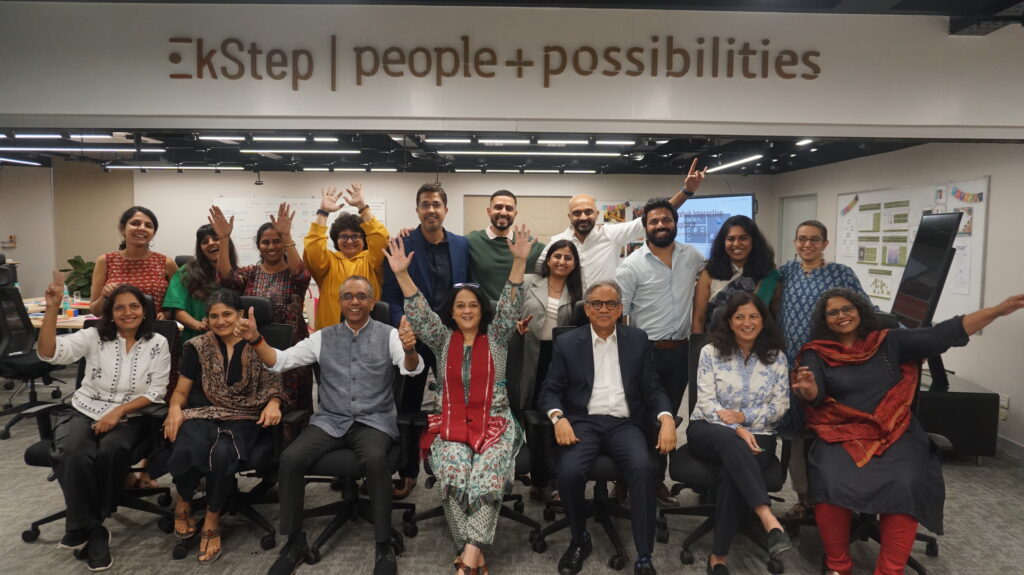
Through the Bachpan Manao with EkStep Foundation and NDTV season, voices that rarely share the same stage: scientists and storytellers, celebrities and Anganwadi workers, urban planners and parents – came together. Across the season, we explored one simple truth: Play is not a break from learning. It is how children learn best.
Windows Into Childhood
The Launch: A Celebration of Childhood
Before the season truly began, we asked: What does play mean to you?
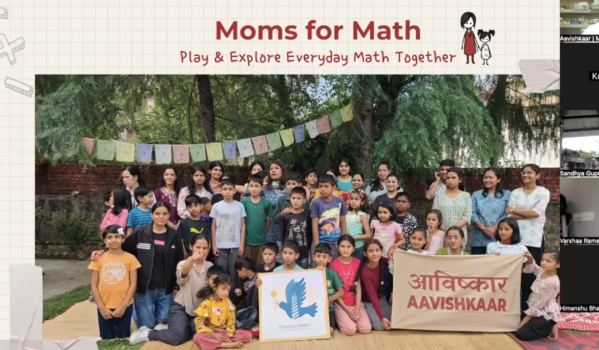
The answer came from mothers in Trilokpuri gathering weekly through Pratham’s Mother Support Groups, Delhi, families who have created Khel Konas in their homes in Bahraich, UP supported by Aga Khan Foundation, and Anganwadi workers celebrating Bachpan Manao tyohars in their Angarwadis in Chattarpur, MP supported by Key Education Foundation.
We got to see various communities coming together to enable more play for their children using everyday materials. Simple things that cost nothing but created everything.
We learned that:
- Play is not separate from learning, it is learning
- Parents are the first role models and playmates
- Even 5 minutes of mindful play daily helps you understand your child better
Voices: Deepika Mogilishetty, Sunisha Ahuja, Mrunal Shah, Harpreet Grover, Dr. Swati Popat Vats
This episode set the tone for everything that followed.
Where It All Begins: The Brain at Play
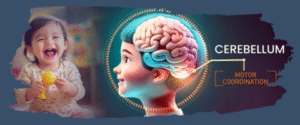
Every time a child plays, their brain lights up, building circuits for thinking, feeling, and problem-solving.
We learned that:
- Play activates multiple brain regions at once: decision-making, coordination, emotions, memory
- Physical play builds motor skills; pretend play builds empathy; games teach patience
- The richest learning comes from natural surroundings and everyday objects
Voices: Dr. Amit Sen, Dr. Manoj Kumar Sharma, Harpreet Grover, Deepali Soam
Think about the last time you watched a child lost in play. What might be happening in their mind?
Your Voice, Your Touch: The First Playground
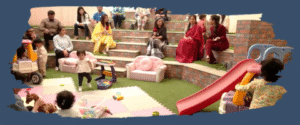
In the first year of life, you are your baby’s first playground. Your voice, your face, your touch, these are the tools of play.
Play during the infant phase may not look like much – but through exploring textures, sounds, colours, playing with rattles or simple games like peekaboo – babies start to make meaning of the world around them.
We learned that:
- Sensory play (textures, sounds, colours) helps babies understand their world
- Simple actions like peekaboo, songs, and gentle rattles build trust and language
- Infants need presence, not screens
Voices: Dr. Shambhavi Seth, Alpita Patel, Tanya Mehra
Today, try singing to your baby. Make eye contact. Move together. You are their first play partner, and every moment you spend together is building their world.
When Children Lead, Magic Follows

Play-based learning isn’t only about structured or curated activities disguised as play. It’s about letting children lead, with joy at the center.
Every expression of play has an impact on a child – through this episode we got to visualise how children are learning hand-eye coordination, counting, planning, spatial reasoning, negotiation and empathy and many other skills through different forms of play.
We learned that:
- Traditional games build hand-eye coordination, counting, and planning
- Block play improves spatial reasoning (essential for math and science)
- Group play teaches negotiation and empathy, often without adult help
- True play is child-led; adults guide, not direct
We saw what this looked like in different contexts – simple every day sights that have an impact that is immeasurable.
Voices: Richa Shukla, Mugdha Kalra
Simple everyday acts that have an impact that is immeasurable.
The Gift of Empty Time
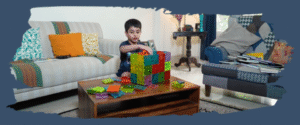
When a child says “I’m bored,” resist the urge to fix it immediately. Boredom is a window, not a problem. In a world with over-structured lifestyles, we heard about the importance of boredom! How it sparks creativity and imagination while building patience and self-regulation.
We learned that:
- Boredom sparks creativity and imagination
- Children with fewer toys learn to invent and create
- Unstructured time teaches patience and self-regulation
- Try a “Boredom Jar” with activity ideas children can pick themselves
Voices: Schweta Merchant Gandhi, Raghav Hemantsingka, Apoorva Arora, Nikhita Gandhi
What if we create more space for unstructured time? Sometimes the most interesting things happen when nothing is planned.
International Day of Play: #ChoosePlayEveryday
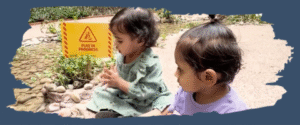
On June 11, UNICEF India, NDTV, EkStep Foundation, a number of Collabactors and families across India joined together to mark the International Day of Play. They held up a sign to #RallyForPlay and committed to making play visible.
We saw different part of the country create space for play Green Panther Club conducted a nature walk in Empress Botanical Garden, Pune, Roastea Cafe created play zones for stimulating activities for children at their Cafe in Bangalore, we saw the Dettol Hygiene Play Park in Gorakhpur buzzing with playing children and Mobile Creches near a construction site in Gurgaon making play accessible to as many children as possible.
The voices of Kareena Kapoor Khan, Ayushmann Khurrana, Gauranshi Sharma and UNICEF’s Cynthia McCaffrey were also rallying for play.
Online, we saw people and organisations across 17 states that supported the #ChoosePlayEveryday campaign.
We learned that:
- Play = progress (emotional, cognitive, physical, social development)
- The first 3000 days are critical for brain development
- Play can happen anywhere: at home, in cars, classrooms, and communities
- It takes a whole country saying yes to protect children’s right to play
Voices: Deepika Mogilishetty, Cynthia McCaffrey, Kareena Kapoor Khan, Ayushman Khurrana, Capt. Bhamidipaty, and families across India
This day wasn’t just an episode. It was a movement.
Watch the International Day of Play Special →
Every Corner Can Be a Playground
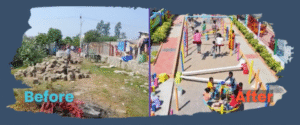
Play doesn’t need massive parks or expensive equipment. A bench, a bus stop, a courtyard, every corner holds potential.
We learned that:
- In Warangal, a dump site became an inclusive playground
- In Kohima, a hospital courtyard became a child-friendly space
- In Indore, an old bus became mobile play center (Jigyasa Rath)
- Creativity and imagination matter more than infrastructure
Voices: Jaskirath Singh Gujral, Gundu Sudha Rani, Vaskula Babu, Dr. Sentimeren Aonok, Dr. Kariememuo Koza, Divyank Singh, Shivam Verma
Thanks to the World Resources Institute, we got to see some incredible transformations highlighting that creativity, imagination and sheer intent matter more than infrastructure!
Songs Our Grandmothers Knew
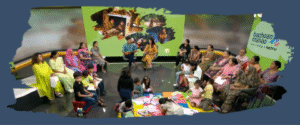
A lullaby does more than soothe. It teaches language, rhythm, memory, and belonging. Singing to a child doesn’t need to be perfect or even one in a language you know well. This episode was truly all heart and with a strong backing in research.
We learned that:
- Rhythm and repetition help the brain process language patterns
- Lullabies carry culture, comfort, and love through generations
- The First Songs project is documenting lullabies from across India
Voices: Lullaby Singers from across India, RJ Kisna, Rohini Nilekani
Your voice, and your presence are what matters.
The Worlds We Build Together
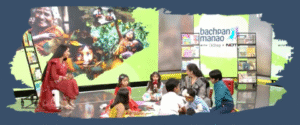
Stories ignite imagination and build connection. Reading aloud isn’t about getting it right, it’s about being together.
We learned that:
- 10-15 minutes daily of reading or storytelling makes a real difference
- Use different voices, pause, let children notice details
- Don’t make it a lesson; let them join in and feel part of the story
- Picture books work beautifully, even in the age of AI
Voices: Shalina Behl, Bijal Vachharajani, Menaka Raman
Using voices, pauses, and letting children notice the details. It’s not about making it a lesson, rather letting them join in and feel part of the story. This episode went beyond talking about stories and reading aloud, it showed us what that looks like.
Where Care Meets Play
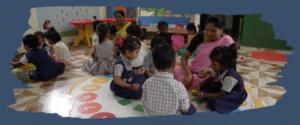
Anganwadi workers across India are quietly transforming childhood, one song, one game, one child at a time.
We learned that:
- Workers like Sunanda (Maharashtra) and Shobha (Rajasthan) have spent decades building vibrant care spaces
- Play-based learning + community engagement creates strong foundations
- Former students return as volunteers and professionals, proof of lasting impact
Voices: Sunanda Suryakant Pawar, Shobha Kumari Sharma, anganwadi workers and families
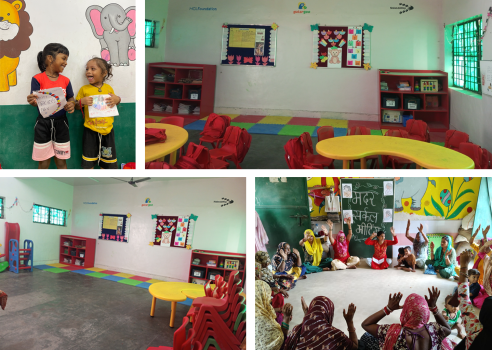
We saw the work of Sunanda Suryakant Pawar in Maharashtra and Shobha Kumari Sharma in Rajasthan up close, who have spent decades building vibrant care spaces. It left us wondering, what if more Anganwadi Workers felt as supported as they did?
The season closed with a powerful panel featuring Dr. Rukmini Banerjee, Dr. Amit Sen, and Dr. Swati Popat Vats, Nita Luthria Row, Harpreet Grover, Deepika Mogilishetty, who asked: How can India make play a right for every child, not a privilege for a few?
Beyond the Episodes: What We Learned
Across episodes, hundreds of stories, and countless voices, a few truths emerged clearly:
Play is abundant. It exists in every home, every street, every corner of India. It doesn’t require wealth or expertise, just presence.
Community matters more than infrastructure. The strongest play spaces aren’t built with money alone. They’re built with imagination, intention, and caring adults who show up.
Simple acts shape your child’s world. A song before sleep. A story shared. A quiet moment outdoors. These small moments create the foundation for lifelong learning.
Everyone has a role. From celebrities lending their voices to Anganwadi workers singing with children, from grandparents sharing lullabies to parents resisting the screen, every adult shapes childhood.
Take a look at the campaign Microsite







 )
)