


As a child, stories were Radha’s haven. She spent her days wandering through the coffee estates of Chikkamagaluru, listening to her grandmother weave folk tales into the rhythm of the harvest. Decades later, Radha, a Grama Panchayat librarian, discovered a new way to share this magic: storytelling sessions at the local Anganwadi. What began as an experiment soon transformed both her and the children,
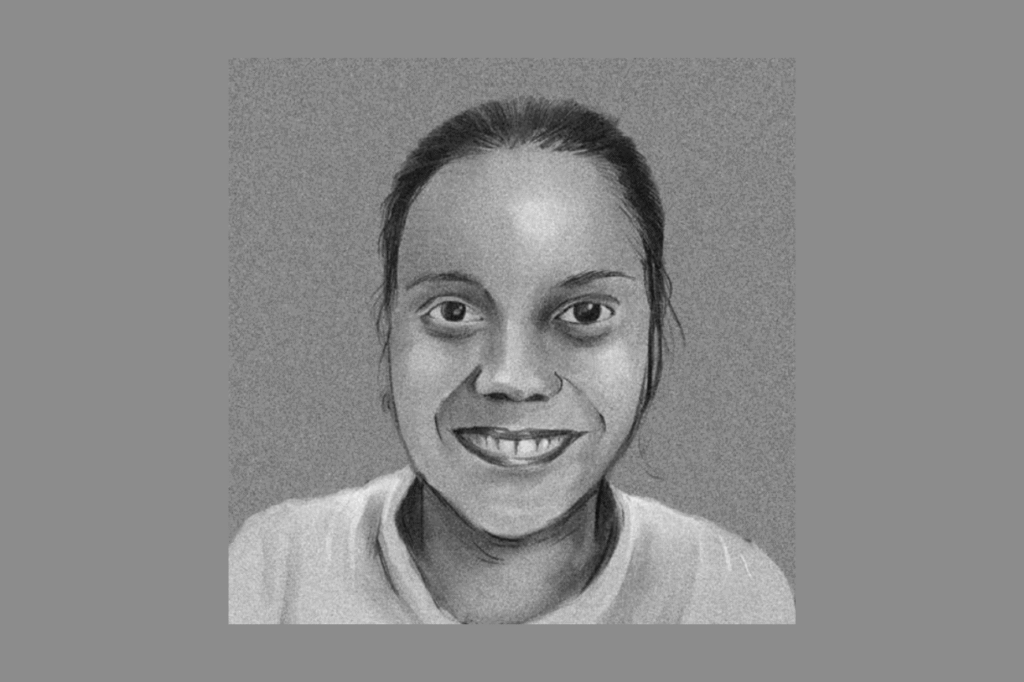
proving that stories, much like childhood memories, have the power to stay with us forever. Radha is a Grama Panchayat librarian in the Chikkamagaluru district of Karnataka. A simple, kind-hearted woman, she has dedicated 17 years to the library, fostering a love for books in her community. By a stroke of serendipity or perhaps a cosmic coincidence, she was selected to participate in a Read-Aloud training program hosted by the government of Karnataka.
This experience introduced her to the transformative art of reading aloud to children, unlocking a newfound purpose in her heart. She had always carried an abundance of stories within her. Radha’s love for storytelling and immersing herself in the world of tales traces back to her cherished bond with her grandmother. As a child, when she wasn’t in school and her parents needed someone to look after her, she would accompany her grandmother to the spice-laden coffee estates of Chikkamagaluru. While her grandmother worked, Radha wandered through the lush fields, captivated by the folk tales woven into the rhythm of the harvest. Each story, with its twists, challenges, and joyous endings, sparked her imagination, leaving her spellbound and nurturing her passion for storytelling. Now with a voice to share them, she longed to narrate tales to anyone who would listen.
However, due to various limitations, Radha found it challenging to read regularly to visitors at the library. One day, inspired by a mentor’s advice, she took a bold step—she walked into the Anganwadi next door.
The Anganwadi is a central building within a vast field that also houses a primary school in one corner and the Indavara gp library, where Radha works, in another. Painted in shades of green, yellow, and blue, the Anganwadi features nature-inspired designs, creating a welcoming environment for toddlers.
A single-door entrance opens into a lively room filled with young children—some excited and restless, others shy and reserved—sitting comfortably on the floor as if it were their own space. Sunlight streams in through a window, casting sharp shadows on the panes and illuminating the plants on the sill, which often fascinate the newest admissions.
The Anganwadi carries the distinct aroma of jaggery, caramel, and peanut toffees, as the in-house cook prepares
them on most days. These treats serve as a source of protein for both the Anganwadi and primary school children, making the space a place for learning and nourishment.
That day, Radha approached the teacher with an idea. “Would it be alright if I spent some time reading stories with the children?” she asked
The teacher nodded with a smile. “Of course! They would love that.”
With that, Radha settled onto the floor, surrounded by curious little faces. She held up a children’s picture book and pointed to the cover. “What do you see here?” she asked, her voice warm and inviting.
“Tiger!” a child shouted excitedly.
“Elephants and trees!” another one screamed, bouncing in place.
One boy suddenly stood up, puffing out his chest. “These animals are in my estate. I see them all the time!” he declared proudly.
Before Radha could respond, another boy waved his hand dismissively. “No! A tiger is a wild animal. It cannot come to your estate. It will eat you up!” he said, his eyes wide with mock fear.
The room buzzed with excitement. The children, aged between two and five, were mesmerized. They weren’t just looking at a book—they were sharing, debating, and eagerly expressing themselves. For many, this was the first time an adult had sat with them, not to discipline or instruct, but simply to listen, engage, and bring stories to life with animated gestures and expressive faces.
Though captivated by the storytelling sessions at the Anganwadi, Radha quickly realized that engaging a room full of energetic toddlers was no easy task. The children had a habit of asking the same questions repeatedly and demanding to hear the same page over and over again, often making it impossible for the story to move forward. At times, she found herself stuck in a loop, rereading a single passage multiple times as they giggled and clung to every familiar word.
Some days, storytelling turned into a performance of sounds and gestures. The children were more interested in watching her imitate animals than listening to the actual story. To grab their attention, Radha found herself growling like a tiger, meowing like a cat, and barking like a dog, her hands curled into playful paws. Laughter would erupt in the room as the children eagerly joined in, mimicking her movements and making their animal sounds. In those days, the “story” was nothing more than a chorus of growls, barks, and excited squeals.
Their fondness for her grew quickly, but it came with its challenges. Some children would abandon their spots on the floor and climb into her lap, while others hugged her from behind, resting their tiny faces against her shoulder. A few would tug at her sari or play with her bangles, fascinated by the smallest details. While their affection was endearing, it also made it difficult for Radha to keep the session on track.
Fortunately, her experience as a mother of two boys had prepared her well for handling restless little ones. With patience and warmth, she gently redirected their attention while ensuring they still felt heard and valued. Additionally, her mentor from the training program provided guidance through Google Meets and phone calls, offering advice on structuring the sessions more effectively.
Over three to five months, Radha refined her approach. She introduced small routines to help the children settle down before a story, incorporated interactive elements to keep them engaged, and found ways to pace the narration so they could follow along without losing interest. Slowly but surely, they began to grasp the sequence of events in a story, their excitement shifting from simple gestures to genuine curiosity about what would happen next.
What had once been a chaotic and unpredictable experience transformed into something truly special—a space where storytelling became an adventure, filled with fun and learning. The pace with which Radha read to them, the patience with which she answered all their questions, and the enthusiasm with which she repeated the hand gestures till the children got it right won the hearts of the children. What began as a simple afternoon storytelling session soon became a moment of magic—the beginning of Radha’s journey as a storyteller.
The consistency of these storytelling sessions had a profound effect on the children. They were enthralled—giggling and clapping at Radha’s animal imitations, roaring with laughter at her playful sounds, and eagerly mimicking her expressions. They weren’t just distracted by the animals and sounds; they were also engaging, responding, and internalizing the nuances of each tale, their imaginations coming alive with every session.
One day, four-year-old Trishala, who had been coming to the Anganwadi for two years, picked up a book, her eyes shining with excitement. Inspired by Radha’s storytelling, she began narrating her version of the story, carefully observing the pictures. She paused midway, looking up at Radha with a mix of anticipation and curiosity.
“Radha Miss, is this correct? Am I telling the story right?” she asked, seeking validation and reassurance that she was on the right track.
Radha smiled, nodding encouragingly. “Yes, Trishala! Keep going.”
Moments like these reflected Radha’s dreams coming true and her efforts paying off. What was once a sleepy, quiet space had evolved into a vibrant, dynamic environment filled with laughter, curiosity, and a love for storytelling. The children were no longer just playing around; they were imitating Radha on their way to becoming budding storytellers, eager to explore the world of words and imagination.
More than a year has passed since that fateful afternoon, and Radha has become a beloved, regular storyteller at the Anganwadi. Despite the chatter, the movements, and the everyday chaos of a preschool, the moment Radha opens a book, the room stills. Every pair of tiny eyes turns toward her, eager to journey into the world of characters, animals, and adventures. In an era dominated by screens and fast-paced
technology, Radha offers something timeless—an experience that feels both grounding and nostalgic.
Hearing their toddlers excitedly talk about the stories they had heard, parents were overjoyed by this new development. Some children even began arriving at the Anganwadi with their grandmothers, eager for them to witness Radha’s engaging storytelling firsthand. The elders observed, hoping to replicate her methods at home, extending the magic of storytelling beyond Anganwadi hours. Many saw this as a
wonderful alternative to screen time, fostering imagination and connection instead.
The Anganwadi hosts the children of migrant and daily wage workers, and for their parents, the transformation was deeply emotional. Seeing their once-shy children excitedly recount stories of animals and trees at home brought tears of pride and joy to their eyes. For many, this was the first time their little ones had opened up so freely, using words and imagination to express themselves. Radha’s storytelling had not only captivated the children but had also woven a new thread of warmth and communication within their families.
In the heart of a quiet village in Chikkamagaluru, Radha is more than just a librarian. She is a storyteller, a weaver of dreams, a spark in the darkness. Like a lamp glowing in the heavy monsoons; she illuminates young minds, guiding them toward a world of possibilities through books, sensory-rich storytelling, and the sheer power of imagination— one story at a time.
This story began with one conversation — a mother who had worked herself to exhaustion, and a daughter forced to set her dreams aside.
What they shared was a pattern I had seen across many homes and factory floors. Women carrying everything. Girls stepping in too soon.
And silence around the support they deserved.
Writing this wasn’t easy. But it was necessary. These stories aren’t just about what’s broken — they’re also about what’s possible when women are heard, when rights are known, and when dignity becomes non-negotiable.
I’m grateful to the women who trusted us with their stories. This one is for them.
About the Author
Varsha, Program Manager for the Karnataka Read-Aloud Project at Adhyayan Foundation, collaborates with the Panchayat Raj Commissionerate to train Gram Panchayat librarians, activate libraries, and cultivate a reading culture. With a background in clinical psychology and education, she has trained over 1,000 librarians, driving sustainable, impactful changes in library programs across India.
About the Storytelling Fellowship
This fellowship was created to give people working at the heart of social change a rare space to pause, reflect, and write—not reports or case studies, but real stories. Ten fellows came together to explore what it means to witness, to listen, and to share experiences that are often left unseen. With time, mentorship, and care, they shaped narratives that move beyond data or impact statements—stories that evoke, that remind us what it truly means to care, to act, and to stay present.



 )
)