




On the International Day of Play, June 11, 2025, the “Voices of Play – Writing the National Play Manifesto” initiative was launched by Bachpan Manao (supported by Shiksharth and Reach India Collective), via a unique virtual conference that centered children’s voices. The “Voices of Play” initiative has now moved to a series of offline events, which will culminate in the release of a National Play Manifesto, written by children, for children and for every caring adult looking to create a safe, inclusive and joyful world that centers play for our youngest. To help us and our partner organise these local events, we’ve prepared a comprehensive Organizer’s Guide in English and in Hindi.
“If it’s not your story to tell, you don’t tell it.”
This grounding motto runs through every page of Voices of Play: An Organizer’s Guide to Hosting an Offline Manifesto Event. But this is far more than an instruction manual—it’s an open invitation, a toolkit for sparking a shift wherever you are. Whether you’re an educator in a bustling city, a small town librarian, a parent at a community center, or part of a grassroots collective, this guide is ready to help you create truly child-centered spaces that celebrate play—at any scale, in any setting.
Centering Children, Reclaiming Play
The essence of this guide is refreshingly simple: adults become listeners, children become experts. Your role is to create the space—physical or emotional—where children feel at the very center, their voices valued, their stories witnessed. In challenging the tired maxim “Padhoge likhoge banoge nawab, kheloge kudoge hoge kharab,” this guide affirms a radical truth lived daily by children themselves: “Kheloge kudoge bhi to banoge lajawab.” Play is not the opposite of growth, but its engine.
What does this guide offer?
Adaptability at Every Turn
You don’t need a big budget, a fancy venue, or a large group. The Voices of Play guide is designed for maximum flexibility and minimum fuss:
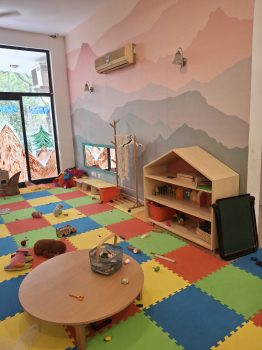
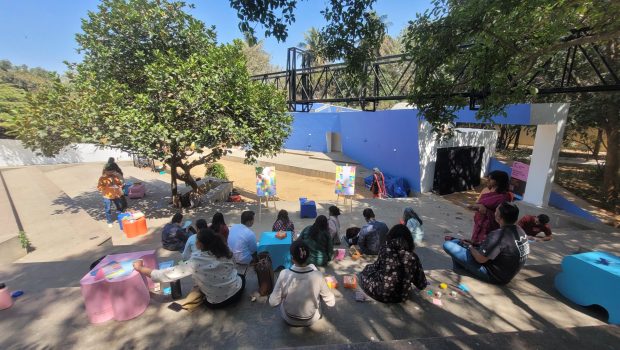
- A tiny corner of a home, a patch under a tree, a room in a community hall—all become playgrounds for this event.
- Resources needed are minimal: paper, crayons, recycled materials, clay, and—most importantly—a willingness to listen.
Actionable Frameworks and Activities
No two communities are alike, and the guide is built for adaptation. You’ll find a ready-to-use event flow:
- Ice-breaker games to help children relax and claim the space.
- Creative activities like “Play Space Mapping,” where children draw safe and unsafe spots in their neighborhoods
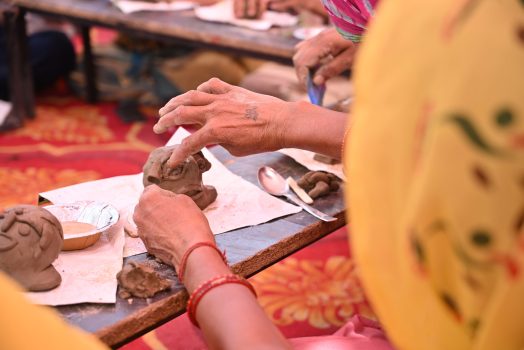
- For the youngest (under-5): sensory play, clay modeling, and free drawing—no forced discussions, just observation, and listening to the signals in their creations.
Five Guiding Principles
- Child-Led: Children direct, adults support.
- Play-Based: Every moment, every question arises during or after play.
- Inclusive & Safe: Every child, regardless of ability or background, is included and protected.
- Meticulous Documentation: Capture words, art, voices, not adult summaries.
- Local Context: Every event is shaped by the children’s unique world.
Any Group, Every Scale
A “Voices of Play” event can be:
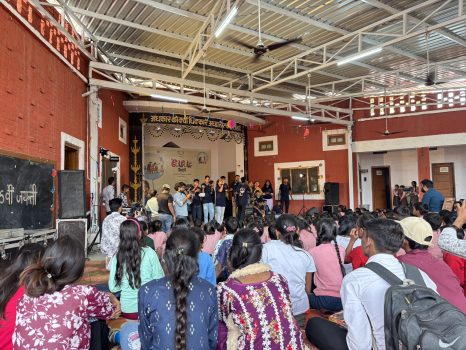
- As intimate as a family evening, or as collective as a school or park gathering.
- Held with a dozen children or just two siblings with their parents.
- Hosted by organizations, or by motivated individuals moved by the idea that children’s voices matter.
Almost all the suggested activities use simple, scavenged, or recycled materials. Even without outside support, these activities become events if you let the children lead—a street game, a neighborhood mural, a conversation after hopscotch.
Why Create These Spaces?
Because they matter. Because children’s play is routinely misunderstood, undervalued, and even suppressed. Adults gain a rare chance to actually hear what play means to children in their own words, drawings, skits, and games. It shifts the narrative from “play as a reward” to recognizing play as a right, a necessity, the thriving pulse of childhood.
Children are not empty vessels. In these events, they define their own Manifesto—naming not only the joys and wishes of play, but also its barriers, feelings, and dreams for the future. Specific examples from the guide make this clear:
- “Play Blocker” Skits: Children act out moments of exclusion or unsafe play, turning emotion into story.
- “Dear Adults” Letters: Handwritten or recorded messages from children, addressed to decision-makers or parents.
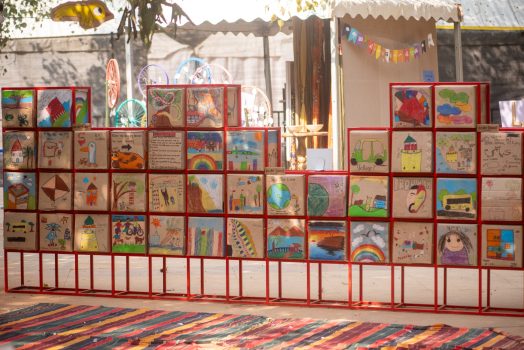
- Collaborative murals or mapping: Community art becomes data, becomes a voice in the final Manifesto.
Make It Your Own!
This guide is simply an invitation for you to host your own Voices Of Play and make your own Play Manifesto, anywhere, anytime.
However, if you would like to join us in the making of the National Play Manifesto, please do reach out to us at supriya@shiksharth.in. While a small needs-based grant was available, it’s not a barrier; We encourage you to host these events at whatever scale you’re able to. The guide aids you in this effort by offering pragmatic tips on documentation, consent templates for photographs and recordings, and even an age-wise breakdown for different developmental needs.
A Call to Listen—and Act
Play isn’t “for” something else. It is the work of childhood. And there is no need for permission, pedigree, or a polished plan to join in—just openness and commitment to creating a space where children’s wisdom and joy are visible and heard. From gully cricket on city streets to pebble games beneath mango trees, the knowledge within every child simply needs a witness. The Voices of Play guide makes manifest what so many adults forgot to ask: What does play mean—to you? The answer, spoken in every accent, drawn with every crayon, is truly lajawab.
Yes, It’s not our story to tell, but can we create the space for it to be told?
Reach out. Gather. Listen. Let the children write the story this time.
 )
)