

Rethinking ‘normal’
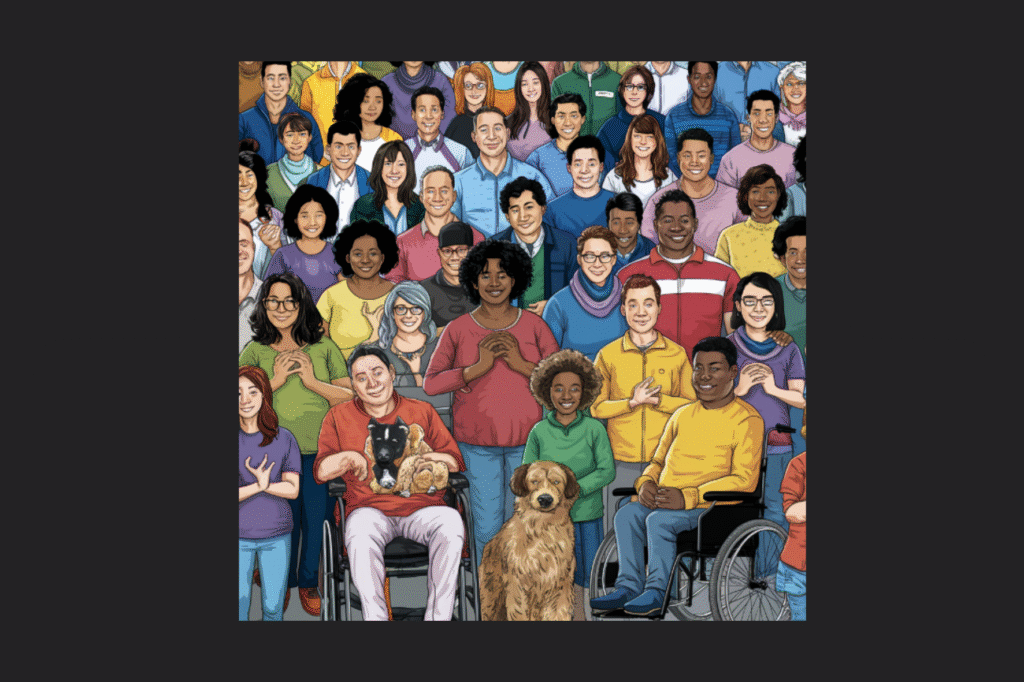
Neurodiversity is a topic that is getting more and more attention, yet there are misconceptions that persist. The research explores different perspectives based on interviews with experts, parents and the children themselves – both neurotypical and neurodiverse.
- What does it mean to live in a world where everyone’s brain functions a little differently?
- How do these differences play out in classrooms and in society?
- What are the everyday triumphs and challenges, and what does it take to build a society where everyone feels valued and feels like they can contribute?
The research attempts to answer some of these questions
Though there is more awareness today about these issues, true inclusion still feels like a distant dream.
Neurodiversity challenges the idea that there is one right way for the brain to work. Instead of seeing Autism, ADHD or Dyslexia as deficits or deviations, these are seen as variations, i.e. part of the human spectrum. Each variation comes with its own strengths and challenges and that is what enriches our world.
It is about appreciating the differences rather than acting on the urge to erase them. Firsthand accounts featured in this research highlight this reality – especially the perspective of the children interviewed who come with a fresh, untainted yet mature perspective.
Children pointed out that the smallest of things, like accents or behaviour, can become a reason for exclusion. This makes it clear that ‘society’ conditions children at a very young age on what is considered ‘normal’ v/s not.
We have someone in school – a lot of people don’t really understand what he’s saying because of his accent, so they just ignore him. He has friends and hangs out with them, but he doesn’t really make new friends. I’ve heard my friends from other schools say, “That kid is so weird,” or “I don’t like it when he sits next to me all the time,” but I tell them, “It’s not that bad once you get to know them.” They still hold a grudge.
The research also examined how we communicate about neurodiversity. Communication is often designed to highlight superlative achievements. This narrative distances neurodivergent individuals from everyday life, making them seem unrelatable. Children, on the other hand, suggest that the concept of a human library allows people to understand their life in its entirety and think of them as individuals, mitigating some of the ‘othering’ that communication otherwise creates.
Conversations with parents revealed their everyday struggles but also their resolve to go past the challenges and take steps to see their children as contributing members of society. A mother put forth an insightful perspective that people with disability need not be dependent. Instead, she emphasised the importance of creating systems where their work is valued, enabling them to become productive members of society. Creating a shift from simply providing care or support to creating opportunities for meaningful employment and independence. A shift from sympathy to empowerment is essential.
In school, however, the approach often “levelled down” rather than helping her “level up.” For example, when she struggled with writing, teachers would give her prompts, but that didn’t address the underlying issue. The goal should be to help her reach a point where she no longer needs prompts. This approach of constantly adapting to a child’s level doesn’t help them become independent.
When families have not found support networks in society, they have created some on their own to help other families navigate the situation.
It is difficult to change ingrained attitudes at a later stage in life, and hence, experts on the subject believe that it helps to start inclusion at a young age to foster empathy in children. Though most experts and schools are faced with resistance from parents of neurotypical children who have concerns of having neurodiverse kids in the same environment. Neurodiversity is perceived as a contagious situation, and they feel their children would be impacted negatively.
A few years back, there was an instance where my daughter was leading the sports day parade. One of the parents in the parent group mentioned how a disabled child could be made to lead the parade since the theme of that year was Swasth Bharat. How can a child in a wheelchair be called healthy?
Experts argue that one of the key benefits of inclusive education is that it can help neurotypical children learn how to work with and accept differences among people. This experience helps shape them into empathetic and understanding adults—but for many, this benefit still seems too abstract to be fully embraced.
What is often underemphasised is that ultimately, inclusivity fosters empathy, and empathy is not just an abstract idea—it has a real, healing impact on everyone’s life. After all, if we all had good friends, we would need fewer therapists.

 )
)