



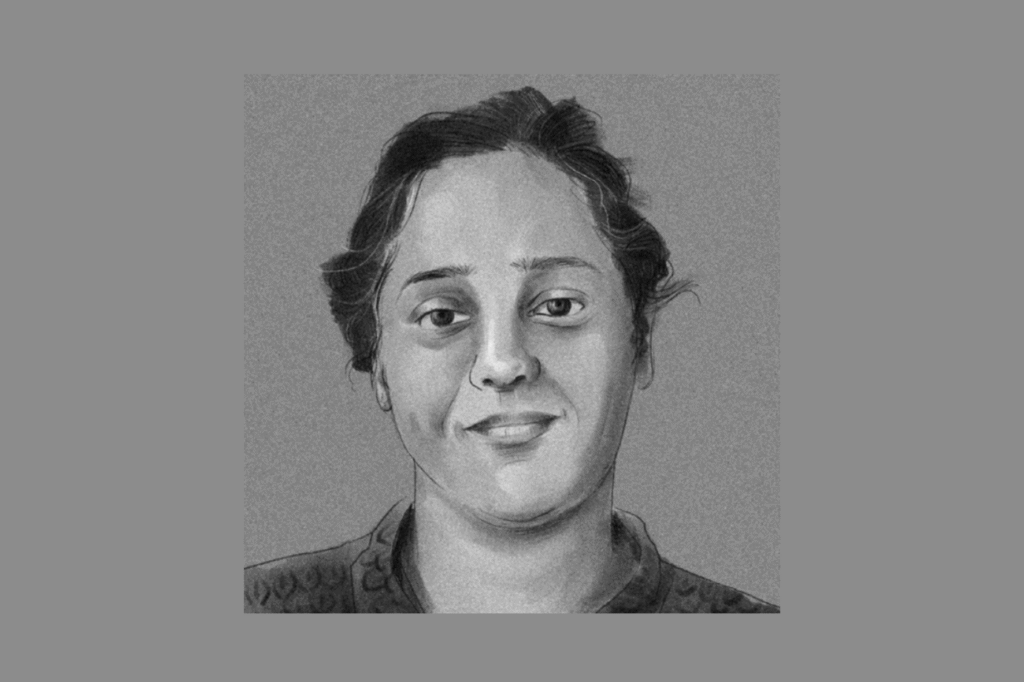
In a conflict-hit village in Chhattisgarh, a 17-year-old girl stood in front of her community and began talking about what no one else would. Not loudly. Just clearly.
The Girl Who Spoke in Halbi
The morning mist clung to the hills of Pakela as Ragnee stood at the bus stop, her notebook pressed tightly to her chest. She was seventeen, and today marked the first day of her B.Sc classes. There was an unmistakable thrill in her heart, the kind that came with stepping into something new, something bigger than herself.
As she waited for the bus, she noticed two women walking towards her. Their faces were familiar, but she couldn’t quite place them. And then it clicked, the Anganwadi visitors. Just a few days ago, she had given them directions as they went from door to door in her village. What she didn’t know then was that their brief conversation with her mother would change the course of her life.
Over chai at the Anganwadi, her mother had spoken hesitantly. “She’s a bright girl, my daughter. If there is work she
can do, I would like her to be useful.
And now, here they were, standing before her with an invitation that was simple, yet profound.
“Would you consider taking sessions in your community? Would you help us bridge the gap between awareness and the people of Pakela?”
Ragnee hesitated. Teaching? Speaking in front of people? She had never done that before. But something about the way they asked made her pause. Maybe she could. Maybe she should.
And so, she said yes. Not knowing what she’d be stepping into. Not knowing how much that ‘yes’ would stretch her. At first, it was just a few hours after college…
The Language of Trust
Her days soon took on a new rhythm. Mornings were for her B.Sc classes; afternoons, she travelled with the educators from Shiksharth. Together, they visited schools and Anganwadis in nearby villages, talking to parents, teachers, and children about education, health, and choices.
At first, she thought her role would be small, just assisting the educators, translating when needed. But it wasn’t long before she realised her voice held weight.
The years of unrest in Sukma and Bastar had left deep scars. Schools had been shut down, dreams interrupted, and trust shattered. The language of progress and education often felt distant and unfamiliar. But Ragnee spoke Halbi, and that changed everything.
She didn’t just translate words; she translated meaning, context, and comfort.
When the elders hesitated, her gentle tone reassured them. When girls sat quietly, afraid to speak, her familiarity drew them in. In a small school with peeling walls, she stood in front of a group of girls for the first time, leading a session on menarche.
“When I was your age,” she began, “I didn’t know what was happening to my body. I was scared. But no one should have to feel that way. We can talk about this. It’s not shameful, it’s natural.”
Silence.
Then, a girl at the back whispered something to her friend. Slowly, hands began to rise. Voices filled the room. In Halbi, Ragnee listened, shared, and reassured.
The divide created by silence, stigma, and the shadows of conflict grew smaller that day.
But outside that schoolroom, silence still waited. In some homes, it came wrapped in ritual. In others, in rules.
Between Rituals and Reality
In the villages around Sukma, menstrual practices vary.
In some communities, girls are worshipped as symbols of fertility; in others, they are sent to secluded huts or forest edges, hidden from sight. These customs, shaped by tradition, left girls confused and afraid.
Ragnee listened quietly to their stories. She didn’t tellthem they were wrong, she understood the weight of tradition. Instead, she offered them something they never had before: context.
“Your body is a part of nature,” she said gently. “Just like the trees, the rivers, and the changing seasons.”
Her words didn’t challenge their beliefs outright, but they opened a door to understanding.
And sometimes, someone unexpected would walk through that door.
A Boy Asks a Question
One afternoon, after a school session, a boy, around fifteen, shifting awkwardly, approached her.
“I..um..I have a question,” he said, avoiding her gaze. “For my exam. About… menstruation.”
Ragnee waited.
He took a breath.
When she explained, he nodded slowly, absorbing something he had never been allowed to understand before.
“Thanks,” he said at last, rubbing the back of his neck. “I..I think this should be common knowledge, na?”
Ragnee smiled. He wasn’t the only one who thought so.
He wasn’t alone in thinking that. But not everyone was ready to say it aloud.
Lifting the Fog
It wasn’t always easy. Some days, adults avoided her gaze. Conversations stalled. The scars of years of mistrust and conflict ran deep.
Her greatest concern was not the challenges of tradition, but the fear that someone might remain in the dark.
Three years into it, the sessions had transformed, from monologues to dialogues, from dialogues to workshops. She was no longer just another young woman from Pakela; she was a bridge between education and tradition, awareness and silence, the present and the future.
Her mother still worried, sometimes.
“Just be careful, beta,” she had said one night. “You don’t want to mislead anyone.”
“But I’m telling them the truth,” Ragnee replied.
Her mother stirred the chai, looking thoughtful. “I know. But not everyone is ready to hear it.”
That was okay.
She knew the hills of Pakela would always be wrapped in mist.
But with every word she spoke in her mother tongue, the fog of silence, stigma, and fear lifted just a little more.
And maybe that’s all it takes — not a storm, but a clearing. One voice, speaking gently in the language people trust most.
About the Author
Muskaan is a Communications Manager with expertise in content strategy and design. Passionate about storytelling, she brings impactful stories to life to drive personal and professional growth while creating narratives that leave lasting impressions on communities.
About the Storytelling Fellowship
This fellowship was created to give people working at the heart of social change a rare space to pause, reflect, and write—not reports or case studies, but real stories. Ten fellows came together to explore what it means to witness, to listen, and to share experiences that are often left unseen. With time, mentorship, and care, they shaped narratives that move beyond data or impact statements—stories that evoke, that remind us what it truly means to care, to act, and to stay present


 )
)