



When we speak of climate, we often imagine rising seas, hotter summers, and shifting food systems. But climate is also lived in small, everyday ways: where children play, what they breathe, how families migrate, and which foods find their way to their plates.
For children, these shifts are not abstract.
A playground that floods every monsoon, a classroom too hot to sit in, or the quiet disappearance of a seasonal fruit all shape their earliest experiences of the world. These encounters leave lasting imprints on how they learn, grow, and imagine the future.
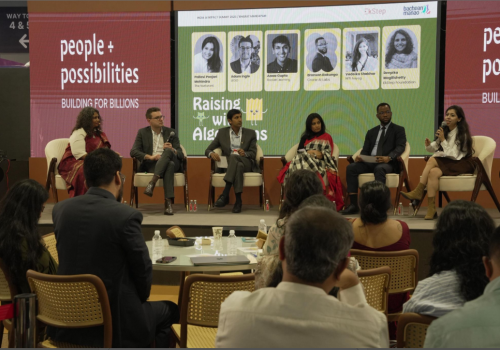
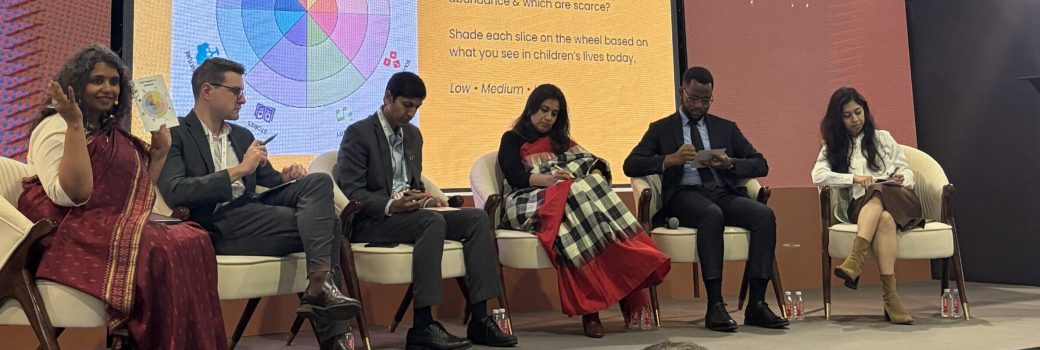
At India Climate Week, we hosted a Bachpan Baithak | Everyday Climate Futures: Childhood, Play & Space, an informal roundtable where diverse voices came together to reflect on these everyday childhood encounters with climate.
What stayed with us were the stories:
-
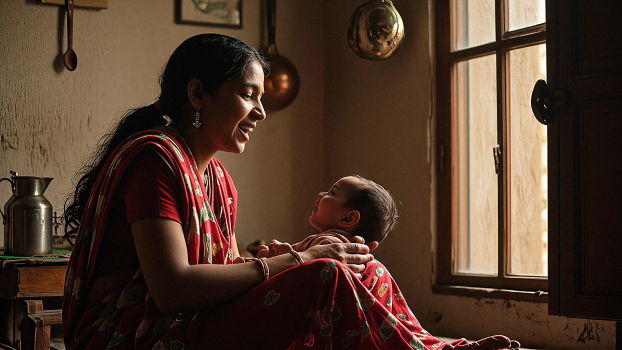
Children in the Northeast trekking to jhum fields with their parents, playing on areca leaves, and carrying forward knowledge that risks being lost when migration or schooling happens too soon.
-
The reminder that stories beginning with wonder, carrying truth, and ending with hope can turn climate fear into imagination and courage.
-
The simple act of children noticing ants, puddles, or banyan roots, encounters adults often dismiss, and how such small experiments can transform how cities nurture climate connection.
Together, these voices reminded us that resilience is already present in communities, that storytelling itself is climate action, and that everyday noticing is as vital as policy.
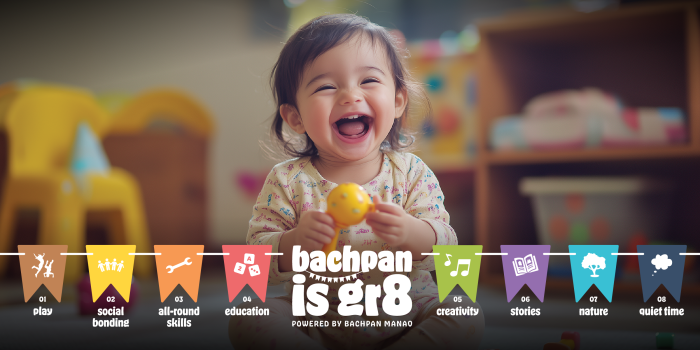
At Bachpan Manao, we believe care and childhood are central to how societies prepare for change. By holding these everyday experiences at the centre, we can begin to imagine futures that are not only climate-resilient, but also child-friendly and just.



 )
)