


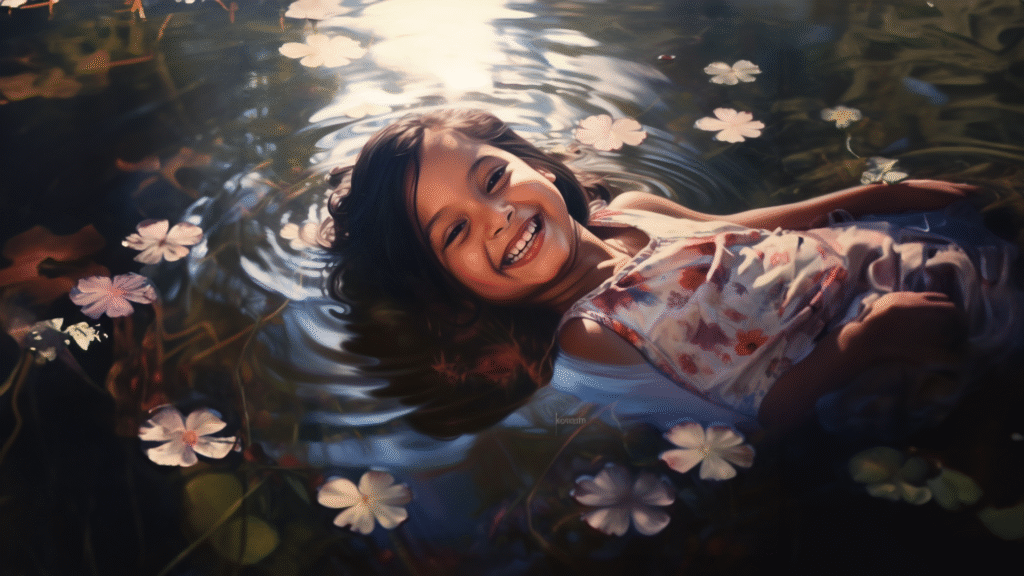
I often find myself at the receiving end of raised eyebrows when I say this — Let them pluck flowers!
Yes, you read that right.
During many of our Green Panther nature sessions, I repeatedly hear :
𝐌𝐲 𝐭𝐞𝐚𝐜𝐡𝐞𝐫 𝐭𝐨𝐥𝐝 𝐮𝐬 𝐧𝐞𝐯𝐞𝐫 𝐭𝐨 𝐩𝐥𝐮𝐜𝐤 𝐟𝐥𝐨𝐰𝐞𝐫𝐬.
𝐎𝐫 𝐰𝐞’𝐫𝐞 𝐬𝐭𝐨𝐩𝐩𝐞𝐝 𝐛𝐲 𝐩𝐚𝐫𝐤 𝐠𝐮𝐚𝐫𝐝𝐬 𝐰𝐡𝐨 𝐰𝐨𝐧’𝐭 𝐚𝐥𝐥𝐨𝐰 𝐤𝐢𝐝𝐬 𝐭𝐨 𝐜𝐥𝐢𝐦𝐛 𝐭𝐫𝐞𝐞𝐬.
In gated communities with lush green patches, signs scream: “𝐊𝐞𝐞𝐩 𝐎𝐟𝐟 𝐭𝐡𝐞 𝐆𝐫𝐚𝐬𝐬.”
This is heartbreaking. What message are we sending our children? That nature is to be observed from a distance? That respect means restriction? That interaction equals harm?
If we really want the next generation to respect and protect nature, they need to fall in love with it first. And love doesn’t grow from a place of fear or detachment but grows from connection, touch, curiosity, and joy.
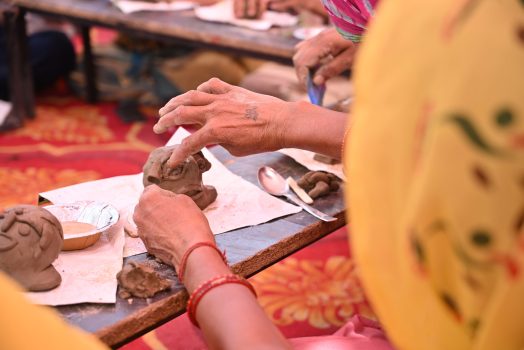
Nature is not a museum. It is alive. It is meant to be touched, smelled, felt.Plucking a flower to give to a friend, to observe its symmetry, to use in a craft or for worship—these are ways of forming a relationship with nature(Not acts of harm)
Instead of outright restrictions, how about this:
Teach children to take mindfully. That it’s okay to pick a flower when there are plenty, but not when there are only a few(applies to other things as well).That we take for joy, not for destruction. That we notice before we pluck. And that nature gives but only when we learn to receive with respect.
We are part of nature, not separate from it. We can’t raise environmentally conscious children by keeping them away from mud, trees, bugs, and yes, even flowers. As someone wisely said, “Nature has enough for our needs, but not for our greed.”
Let’s raise a generation that understands that difference .Not because we told them, but because they felt it.


 )
)