



Quiet Time

quiet time

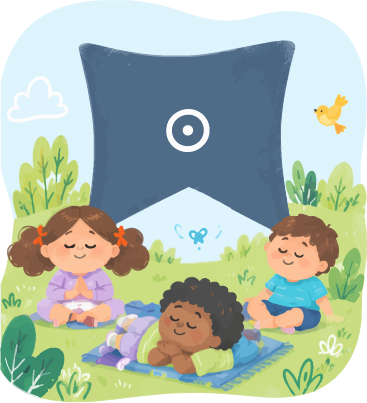
Children need pauses as well as activity. Calm, unhurried moments give them space to rest, settle after stimulation and notice their own thoughts.

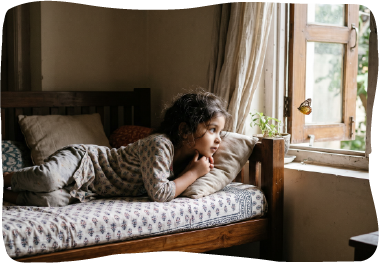
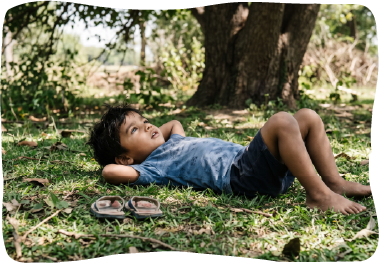
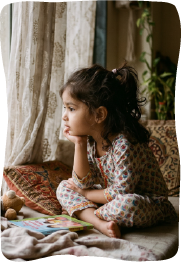
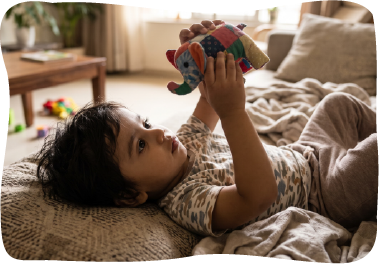
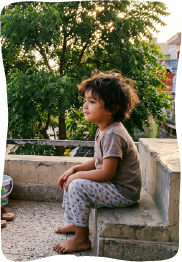
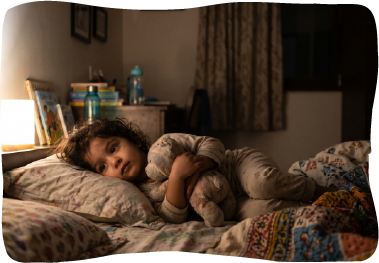
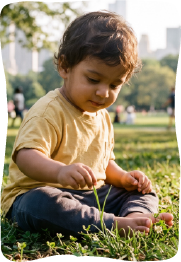
Quiet time need not mean forced silence, a compulsory nap or sitting still for a long period. It can be a few minutes of daydreaming, cuddling, looking out of a window or quietly deciding what to do next. The aim is to make room for stillness, not to impose it.

The Gr8 Toran gives Bachpan is Gr8 a physical form. Bring it home or gift it, to surround a child with the blessing of the 8 wonders of childhood.

Click to buy
The Gr8 Toran

why it matters

Rest reduces the stream of new demands on a child’s attention. The strongest evidence concerns sleep, naps and short periods of wakeful rest: naps can support memory consolidation in early childhood, while research suggests that quiet wakeful rest after learning may help new memories settle.

The emphasis should be on rest, reduced stimulation and unstructured pauses, even allowing for boredom. Research source: wakeful-rest systematic review and early-childhood nap meta-analysis
everyday activities

  • Resting quietly after school or energetic play
  • Lying down while listening to soft music
  • Cuddling without needing to talk
  • Looking through a picture book alone
  • Watching clouds, rain or activity outside a window
  • Taking a few slow breaths together
  • Drawing quietly
  • Listening for nearby sounds
  • Daydreaming

activities

No activities to show.

VIEW ALL ACTIVITIES